
Post 10 in Lifting up the Soul
Make me to know your ways, O Lord;
teach me your paths.
Lead me in your truth and teach me,
for you are the God of my salvation;” Psalm 25:4-5aESV
David was the appointed second king of Israel. Saul, the first king, rebelled against God repeatedly. The king of Israel had a duty to act as a ruler for the nation of Israel in God’s stead. This was not the government pattern God wanted. Having an earthly king put too much power into the hands of one man. But the people wanted a king like the other nations. Samuel was very detailed in his warning to God’s children. He told them a king would be greedy and take their family members and property for himself (1 Samuel 8:11-18). A king of a nation owns the citizens of that nation and can do with them what he wants to do. If the king is corrupt, the nation suffers. God is the only perfect king. His laws and ways are perfect. When the citizens of the kingdom obey Him, they are rewarded. They are protected and enjoy freedoms they cannot enjoy under the rule of faulty human opinion.
David sees that God’s ways and His paths are the best for him. He knows God is the only way to salvation—the eternal reward. Further, David conveys that God’s plans and paths are knowable. God can teach them to us. One who decides it’s impossible to know God’s ways and paths cannot lift up her soul to Him. We are made capable of understanding, and our Creator is well able to explain Himself. While God’s ways are always far above man’s (Isaiah 55:9), that is not a reason to stop looking for answers to every and all questions we ask when it comes to lifting up the soul to God. Just as David asked God to teach him His ways, God wants His daughters to ask Him. He delights in answering His children.
When David uses the vocative “O LORD (Jehovah),” he is not demanding that God tell him. David seeks to be led by God, not to run ahead of His teaching. In the time of Jesus’ ministry, the “righteous” Jew was taught a list of rules and regulations created by a long tradition of rabbis and priests who, in attempting to explain the scriptures to the people, tacked on some man-made addenda. The scribes and Pharisees of the time checked the boxes of tradition and law to get recognition for their deeds. These Jewish law keepers placed burdens on the people and guilt tripped them into serving in ways that didn’t matter, calling it service to God. By the time Jesus arrived, the people no longer knew what had come from the law and the prophets and what was added in from the preaching of a well-meaning rabbi. Jesus had to walk them through their beliefs, step-by-step, so they could see God’s way and what traditions would sidetrack their understanding of the salvation Christ offered. In Matthew 5:21-6:1, Jesus breaks down this reliance on tradition. He begins by saying “You have heard that it was said.” He, then, repeats the tradition and expresses God’s intent, telling the people, “But I say unto you…” We see in Jesus’ day that these man-made traditions made a mess of things for the Jewish people who were trying to follow God. Some of them were thoroughly confused, while others, like the Pharisees, were using the man-made traditions and sayings to manipulate the people and set themselves up as superior to the layperson Jew. If they had only looked back at David’s statement in Psalm 25! Salvation only comes through God, so only God’s truth and teachings matter.
This applies to Christians today. We, too, get sidetracked by the traditions of men. Preachers quote well-known speakers as a way of proving the “soundness” or solidness of their teaching. Christians have grown familiar with these quotes and expect to hear the wise sayings of those pioneers of the previous generations. This is speaking “it has been said,” just like the Jews did. It is a degree of removal from the words of God—sometimes to the third and fourth degree because past preachers’ words become misquoted or taken out of context. Students of the Bible have to know the Bible. God’s children are to be familiar enough with the words of God to know how to look for the truth there. Be open to advice, but let the truth of the scriptures sift it. No matter how well-meaning, a fellow brother or sister in Christ does not know what you need like God knows.
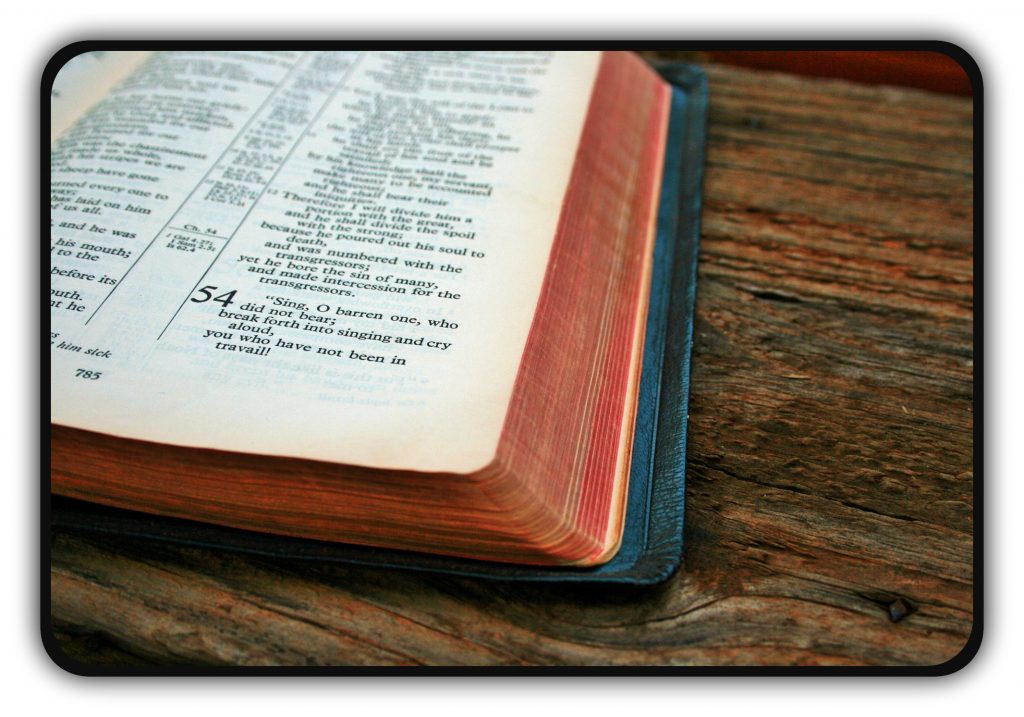
Christian sisters need to approach God’s word with fresh eyes. We miss so much when we lean on someone to tell us that living for Jesus requires five simple rules to follow. Looking at God’s word afresh may include laying aside the topical study books. God didn’t write His history topically. Looking for all the passages on “stewardship” or “peace” or “rejoicing” isn’t going to reveal the mind of God. It’s helpful in a word study, but it doesn’t let God speak using His train of thought. God wrote His ways down, thought by thought, through the minds of other humans. One sees the humanness of the believers and how God worked through them. One can pick up on God’s characteristics, His modes of operation, what He likes and dislikes. A student can consider other scriptures that repeat the principles she learns as she reads. Then she can share and talk about what she’s studying with other Christians. She can write down her questions, small and great, and diligently seek the answers, noticing when God answers her. David says we can be taught God’s paths and ways that lead to salvation.
My searching sister, let your curiosity about God run wild and free. You can know what God is trying to tell you. He wants you to be “complete and thoroughly furnished unto every good work” (2 Timothy 2:17). He can train you to discern His word, His truth. He gave you the Bible to open, read, and question Him. He delights in you when you go to His word to understand Him better. Pray to God that He will help you seek for His answers and understand. God asks you to know Him, how He looks at situations and how He works with different types of people. This is one way He assures you that He has your circumstance in hand and knows exactly how to work with you. The more you study and learn using the Bible to direct your thinking, the hungrier you will become to study and learn more about God’s ways. Let Him think you through it.
God wants you to seek Him and His ways.
“Yet they seek me daily, and delight to know my ways: as a nation that did righteousness, and forsook not the ordinance of their God, they ask of me righteous judgments; they delight to draw near unto God.” Isaiah 58:2
“I will meditate on your precepts and fix my eyes on your ways.
I will delight in your statutes; I will not forget your word.” Psalm 119:15-16ESV
If you put these things before the brothers, you will be a good servant of Christ Jesus, being trained in the words of the faith and of the good doctrine that you have followed. 1 Timothy 4:6ESV
This is the tenth post in the Lifting Up the Soul study from Psalm 25. Subscribe to WomEnCourage to be notified as this study continues.