
Post 6 in Lifting up the Soul
“O my God, in thee have I trusted,
Let me not be put to shame;”
Psalm 25:2ASV
David, having trusted God, having totally given all things into God’s hands, begged God not to let him be ashamed. What does it mean to be ashamed, and why was it important to David not to feel this emotion? When David was running from Saul, he hid in the mountains. He was considered an outlaw because he was outside of the king’s protection. Saul wanted to kill him. During this time, he became a symbol of hope to the men of Israel. The first book of Samuel tells the reader,
“David departed from there and escaped to the cave of Adullam. And when his brothers and all his father’s house heard it, they went down there to him. 2 And everyone who was in distress, and everyone who was in debt, and everyone who was bitter in soul, gathered to him. And he became commander over them. And there were with him about four hundred men.” 1 Samuel 22:1-2ESV
King Saul was not taking care of his people, and those who had been mistreated under Saul’s tyranny flocked to David. Saul had become a wicked king, and David, the anointed future king, was a threat to be removed. This antagonism toward David drew the people to perceive him as their deliverer. And he was! An army of 400 men pledged loyalty to him and his cause. He protected the weak and distressed, and he voiced his dependence on God through it all. He trusted in God as his Protector.
The Hebrew word for shame, buwsh, used in Psalm 25 and Genesis 2:25, is closely associated with the word for blushing. Shame entered the world with the first man and woman’s wrongdoing. The last verse in Genesis chapter 2 presents Adam and Eve in a way that tells us all we need to know about the ugly tentacles of sin in our lives. The passage says, “And they were both naked, the man and his wife, and were not ashamed” (Genesis 2:25ASV). The first man and woman’s untainted relationship with God is disclosed to us in one sentence. Feelings of shame did not exist for them. The Bible says they went and hid themselves from God’s presence after they’d sinned (Genesis 3:8). And Adam explains that he hid from God’s presence because he was naked and afraid (Genesis 3:10).
It is in Genesis that God teaches where shame comes from. It is derived from fear. Shame can only be felt when one is aware that they are vulnerable and lacking. When it comes upon us, we can’t deny our own powerlessness. When we sin, “You are all I need” becomes “I don’t deserve to be with you” and “I am afraid of you.” Once they’d sinned, Adam and Eve were afraid and knew they were lacking. They made clothes to put on their lacking bodies, and they hid from God. Their example teaches that there is a correlation between separating from God and feeling vulnerable. Shame and vulnerability—the fear of being hurt and dying—infiltrated mankind’s relationship with God because of sin.
Even though David was a brave man who’d withstood giants, he was afraid. Saul used his influence and shamed David. He accused David of being the evil, conniving one. Saul used his influence as king to convince the nation to believe that David was God’s enemy. He stayed on David’s heels and lied about him until it seemed David had no hope of rescue. In truth, Saul was accusing himself. It was King Saul who’d rebelled against God. Saul was God’s enemy, and he was later punished for his wrongs. This justice from God took time because Saul’s heart sickness had to be fleshed out for all history. God gave Saul enough rope to hang himself, so to speak.
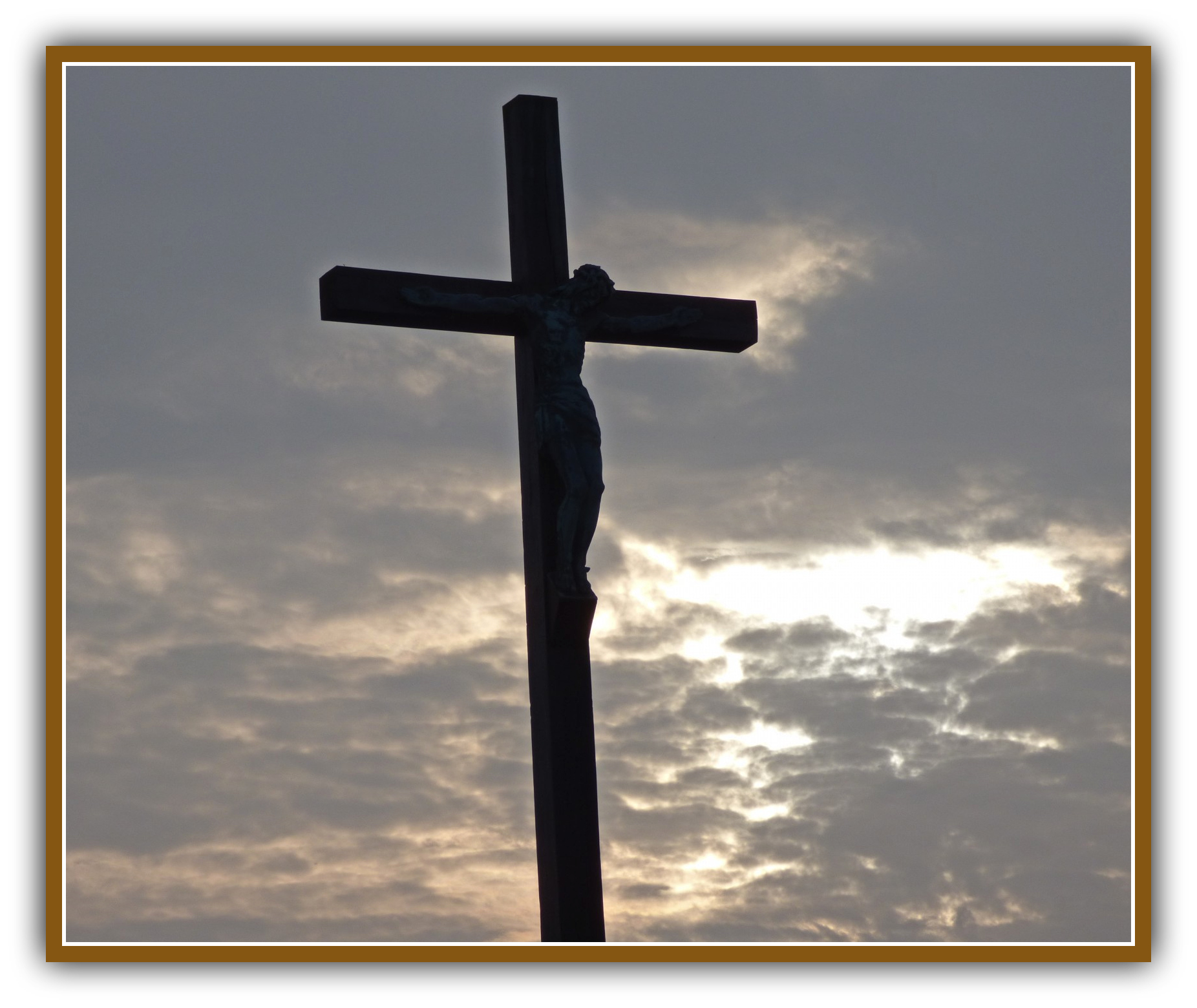
God gives the wicked time to either repent or expose themselves. God allowed the wicked to shame and ridicule Christ. He was laughed at and hated during His most vulnerable moment, hanging on the cross helpless and bare before their eyes. They condemned and murdered their loving Savior. In doing so, God allowed them to show the depth of their sin-sickness so that they would be pricked in the heart on Pentecost for killing the Son of God. Jesus kept silent in the face of great injustice and horrible sin. It is difficult for us to keep silent when we don’t know the whole picture. We don’t know what we are waiting for—whether the wicked will change or whether they will entrap themselves. So, we ask, like David, not to be left vulnerable and powerless before those who wish to destroy us.
Dear sister, you experience both the shame of your own sins and the sins of others. It is never easy to trust that God is going to rescue you. It isn’t trust otherwise. But Jesus came to this earth to reveal to you just how much God loves you and just how much you can trust in Him to take that shame far, far away. He asks you to wait on Him and know that He has your soul in His capable hands. Your relationship with God is that safe place where the sinful shame of the world cannot infiltrate.
Listen to God’s words of safety and security.
“Our fathers trusted in thee: They trusted, and thou didst deliver them. They cried unto thee, and were delivered: They trusted in thee, and were not put to shame.” Psalm 22:4-5
“And be not afraid of them that kill the body, but are not able to kill the soul: but rather fear him who is able to destroy both soul and body in hell. Are not two sparrows sold for a penny? and not one of them shall fall on the ground without your Father: but the very hairs of your head are all numbered. Fear not therefore: ye are of more value than many sparrows.” Matthew 10:28-31
For you did not receive the spirit of slavery to fall back into fear, but you have received the Spirit of adoption as sons, by whom we cry, “Abba! Father!” Romans 8:15ESV
This is the sixth post in Lifting Up the Soul from Psalm 25. Subscribe to WomEnCourage to be notified as this study continues.