
Post 16 in Lifting up the Soul
Good and upright is Jehovah:
Therefore will he instruct sinners in the way. – Psalm 25:8ASV
David’s life path was not a straight one in the sense of going from shepherd to king. He went from secretly being anointed king to fighting Goliath, from being Saul’s chief musician to going in to battle with Israel’s enemies, from becoming Saul’s son-in-law to becoming a traitor and outlaw (unjustly). As king, he made bad marriage and relationship choices, murdered an innocent man, and dealt with ongoing bickering and violence among his family members and heirs to the last of his days. David’s life looks like a series of “one step forward, two steps back.” But David was moving forward, and his path was clearly chosen by God. Even when he digressed due to sin, he returned to God’s path. David was successful in taking the right path for his life, and he attributes his success to God. True success for David was God’s definition, which David looked to God to give him. David points out it is God who instructed him down the correct path. God does this instructing through the means of two of his traits, goodness and uprightness.
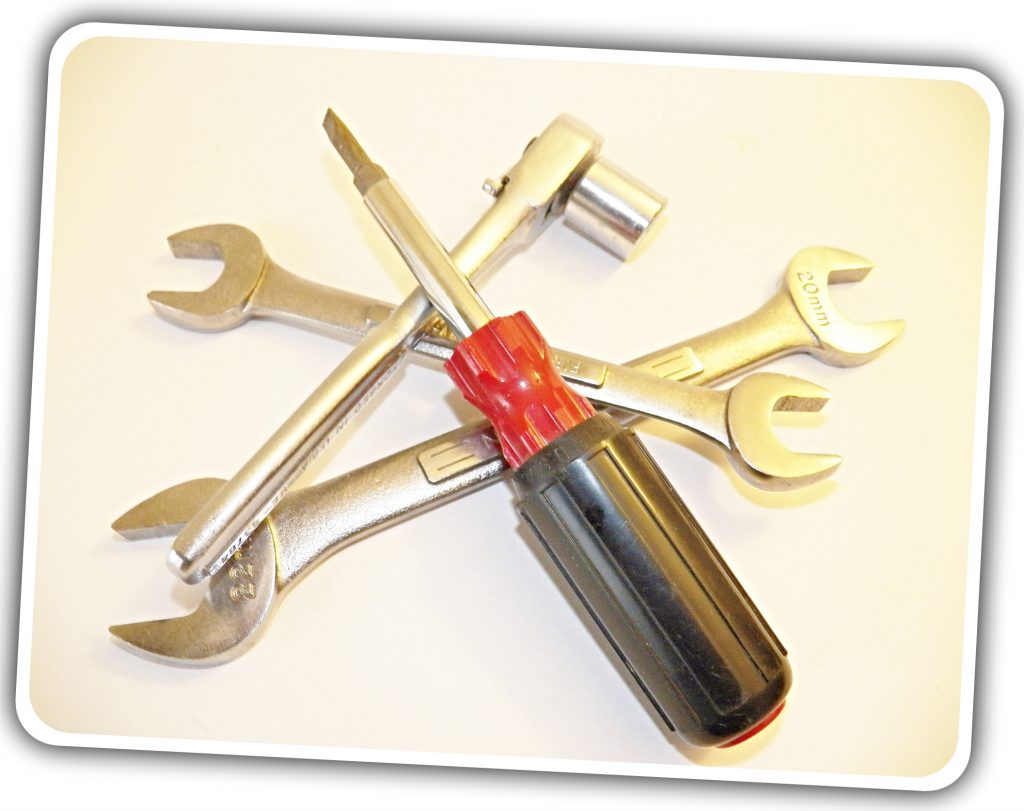
Uprightness is doing the right thing. The word for uprightness, yoser, is also translated straight and fitting. Picture a craftsman making a special tool to do a certain job. The tool is fitting and performs the job just as it is expected to do. That’s an upright tool. The opposite would be the tool that does not perform its task because it is twisted, disfigured. When we obey God, we are upright because we are doing what we are designed to do. Part of following God’s instruction requires one to believe that there is a right path, and that God’s character expresses rightness and only rightness. David says that God’s goodness and uprightness go together because His instruction is not only the straight and perfect tool for the job, it’s the very best thing you can use to succeed. A Christian woman depends on God’s instruction, not her own sense of what is right, to direct her path.
Just because we’ve been taught to believe something is right or wrong doesn’t make it so. Job’s friends believed that bad things happened, and continued to happen, to Job because he was doing something wrong. Job’s situation did not fit their belief. God said Job was upright (Job 1:1), so he was not doing something bad or wrong to make his hardships come upon him. Job ’s friends attempted to make Job’s situation fit their belief by accusing him of sin. They used manmade reason to put Job through more agony because they refused to accept that their belief was wrong. The idea that bad things—horrible things—can happen to one even when he is doing the right thing was too scary for their level of faith in God. If Job’s situation was not a punishment, then his destruction could happen to anyone. The same things could happen to them! They would be forced to change their understanding of justice and God’s character if they were going to get to the truth. God changed their understanding in the end, and He teaches us this important lesson through Job’s experience.
Job’s friends aren’t the only ones chained to this underlying sense of what is fair or unfair in life. We succumb to this way of thinking almost daily, and it is not upright thinking. When fellow Christians’ lives are torn apart, it’s so natural for our protective brains to contemplate what they might have done to bring such difficulties upon themselves. We start to reflect on how that wouldn’t happen to us. We wonder to ourselves whether the innocent Christian might have done something to bring about the grief they are undergoing. Because we realize the same things could happen to us, our brains resort to finding reasons that our situation is different and, therefore, we are safe. For example, when a Christian woman is diagnosed with cancer, we women might begin to wonder what went wrong. Is it possible she might have done something to cause the cancer? This sounds absurd, and we shake off this kind of thinking. But what about the wife whose husband commits adultery? Do we start distancing ourselves from this situation by asking if she might have made a bad decision to marry him in the first place. Did she know he had a tendency toward sexual infidelity? We quietly entertain the idea that she “made her own bed,” so to speak, to assuage our own fears. We want to believe that it could never happen to us, so we distance ourselves by reasoning that the wife probably didn’t give her husband enough attention. Maybe she neglected his sexual needs. Was she keeping up her physical appearance for him? Was she being submissive to him? Humans try to find a fault because we fear for ourselves rather than trust in God’s fairness, His uprightness. The truth is a spouse can commit the sin of adultery against an innocent husband or wife and break their covenant before God. Bad things can happen to obedient saints. That’s very scary to accept. It’s much easier to believe that our actions will always determine the outcome of the situation.
When we decide to serve God, the relationship doesn’t come with a map depicting all the detours and unexpected turns our paths will take to get from here to Heaven. God knows we are scared. That’s a natural response when we don’t know why things are going wrong for ourselves, our families, or for our brothers and sisters in the faith. He knows our brains are going to start reasoning out a safe scenario that protects us from that fear. But we know more surely than what our brains or our hearts tell us that God is good and upright. His way is the very best. We follow His instructions and rest on His outcomes, even and especially when our frail thinking can’t make sense of the situation.
Looking back at Job’s hardships, we can see that a relationship with God far surpasses any horrors of this world. Believing that God knows what is right and what is the very best establishes a Christian’s heart and head. She can remain steadfast and deeply rooted regardless of her sense of what is fair and just in the circumstances. Going through that hardship may not just benefit one Christian but can have a synergistic effect on other Christians, just like Job’s example changed his friend’s lives and changes our lives today.
Careworn sister, you may not see where your way is going to lead you or where you are meant to go. God knows your path. He is preparing you for the way ahead. He left His instructions to guide you through the times when your mind wants to go its own way. You will be tempted to rationalize the things you don’t understand because you are scared. Calm your fears by going to your God, your refuge and strength. God has promised you completeness and joy in Him when you lean on His justice and his very-goodness to make the right decisions. He is in control, and He will take those cares and doubts and troubles away. Walk with Him in confidence, knowing that where He is taking you is exactly where you need to be.
God tells you He will guide you:
Trust in Jehovah with all thy heart, And lean not upon thine own understanding: In all thy ways acknowledge him, And he will direct thy paths. Proverbs 3:5-6
Yea, though I walk through the valley of the shadow of death, I will fear no evil; for thou art with me; Thy rod and thy staff, they comfort me. Psalm 23:4
Again therefore Jesus spake unto them, saying, I am the light of the world: he that followeth me shall not walk in the darkness, but shall have the light of life. John 8:12
This is the sixteenth post in the Lifting Up the Soul study from Psalm 25. Subscribe to WomEnCourage to be notified as this study continues.